

Hit frequency is the statistic that tells players how often a slot actually produces a winning spin. In South Africa, where many enthusiasts now play visit the website, knowing this number enables differentiate sessions that feel lively from those that feel quiet. The game, built by Pragmatic Play, uses an ancient Greek theme and an unusual tumbling-reel engine that ensures symbols falling until no new wins appear. Because the reels can cascade several times in a single paid spin, the published hit frequency remains higher than on traditional five-reel titles. Having the exact figure, and what it means for your bankroll, enables you plan session length, bet size and expectations before you press spin.
Final Thoughts on Using Hit Frequency Data
Hit frequency does not represent a promise of profit, but it acts as a reliable blueprint of how a game distributes its returns over time. By merging the reported 30 % rate for Gates of Olympus with your own session records, you can choose how long to play, when to adjust stakes and whether the free-spin round’s higher variance suits your budget. The next step is uncomplicated: open the game, set a small stake, track the first 200 spins and contrast the result with the figures above. That simple exercise transforms marketing numbers into practical knowledge and lets you approach every future session with specific expectations rather than guesswork.
Comparing Gates of Olympus With Similar Titles
Different tumble-reel games including Sweet Bonanza or Fruit Party have the same 6×5 layout and high hit frequency, yet they replace the Greek theme and multiplier orbs with various bonus structures. Gates of Olympus stands out because its free-spin multiplier can reach 500×, a ceiling that few competitors match. Players who appreciate the Greek aesthetic and want the possibility of very large single-round wins often migrate to this title, while those who choose steady small payouts may remain with lower-volatility alternatives. The choice boils down to whether the published hit frequency and multiplier ceiling match personal goals.
Practical Steps to Record Your Own Hit Frequency
Maintaining a simple record converts abstract statistics into personal insight. Commence by recording the stake, the total number of spins and the number of spins that produced any credit. After 200 spins split the wins by the total spins to determine your own hit rate. If the result falls close to the published 30 %, the game is operating normally. Large deviations over short samples are common, so lengthen the test to at least 500 spins before drawing conclusions. Many South African players employ the history tab inside their chosen platform to export results, making the process quick and accurate without extra software.
Common Misconceptions to Steer clear of
- Assuming that a recent dry spell means a win is “due” — each spin remains independent.
- Supposing the free-spin multiplier applies to every future round — it resets with each new bonus entry.
- Mixing up tumble sequences with separate bets — only the initial spin deducts the stake.
The way the 6×5 Grid and 20 Paylines Shape Frequency
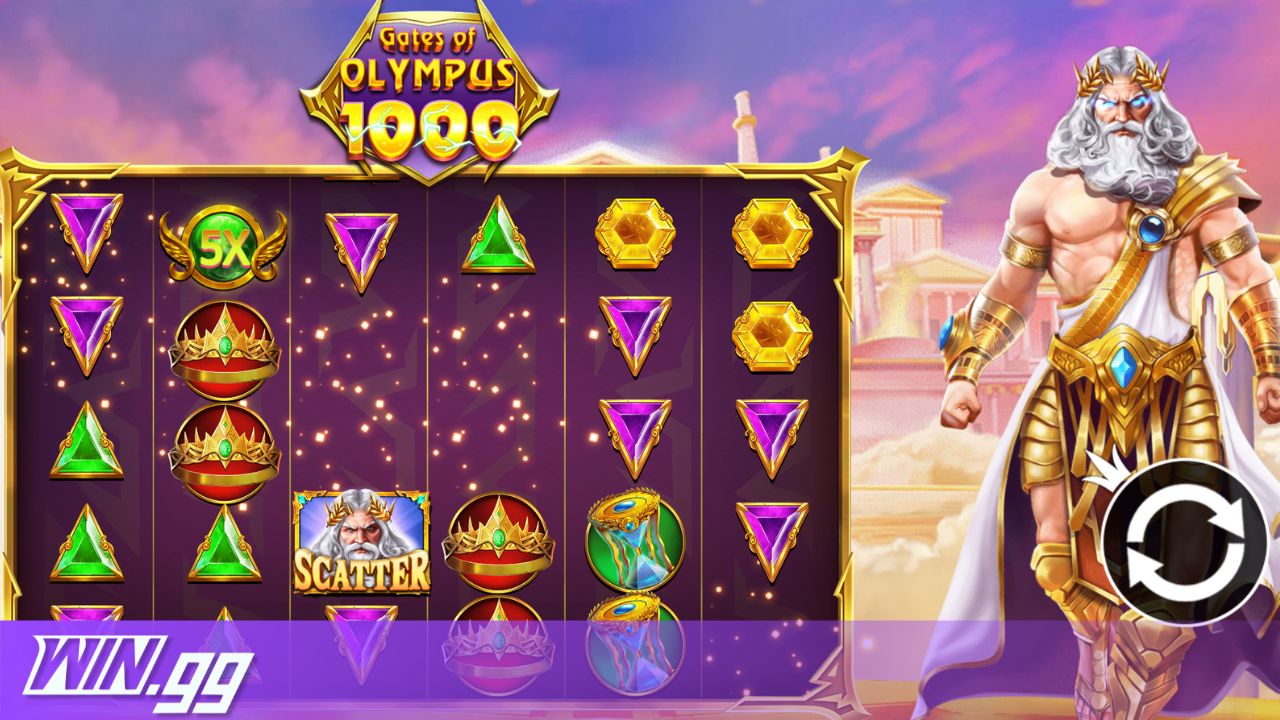
Gates of Olympus employs a six-reel, five-row layout with twenty fixed paylines. Because each line has to begin from the leftmost reel, the layout restricts the number of possible combinations compared with “ways-to-win” games. The trade-off is that each payline carries more weight, so when a symbol stops in the right place the payout is generally larger than on a 243-ways machine. The tumbling mechanic then amplifies the hit frequency: every winning line vanishes, new symbols descend, and the same bet can produce several consecutive wins. In practice this means a single paid spin can register two, three or even four separate line hits, boosting the overall frequency figure without modifying the payline count.
Common Spin Patterns You Will Notice
Short Dry Runs Versus Extended Cascades
During testing sessions, dry runs of eight to ten spins occur, but they are commonly followed by a cascade sequence that provides three or four wins in quick succession. This ebb-and-flow pattern maintains the average hit frequency stable even when individual spins https://www.bbc.co.uk/news/health-48723482 feel quiet. Players who record results over 500 spins will see clusters rather than perfectly even spacing, which is standard for any slot that uses tumbling reels.
Free Spins Feature: Greater Risk, Same Grid
Getting four or more Zeus scatters initiates the free-spin feature and awards fifteen initial spins. During this round a random global multiplier between 2× and 500× is active to every tumble, and each new scatter grants one extra spin. The hit frequency inside the bonus round falls slightly because the game must land the higher-value symbols to make the elevated multipliers meaningful. However, when a tumble pays, the payouts can be many times larger than anything seen in the base game. Understanding this shift aids players choose whether to boost their bet before entering the feature or to maintain stakes steady and enjoy the variance already on offer.
Important Figures at a Glance
- Hit frequency in base game: approximately 30 % of spins produce at least one win.
- Free spins activation rate: roughly once every 280 paid spins.
- Top multiplier available: 500× applied across the entire sequence.
- Default RTP settings: 96.50 % or 94.50 %, depending on the operator’s licence parameters.
Stake Range and How It Affects Session Length
Bet sizes start at 0.20 and rise in minor steps to a ceiling of 100.00 per spin. As the payout frequency is quite high, even the minimum wager can maintain a session of many hundred spins before the balance moves dramatically. the summary Users who like lengthier sessions on a set budget consequently often stick to the lower end of the spectrum, whereas those pursuing the 5 000× top prize often increase wagers once they enter the free-spin round. The selection is subjective, but the stated figures provide a clear means to forecast how many spins a picked wager will maintain.
Why Hit Frequency Is Important More Than You Think
Many players concentrate on RTP and volatility, but hit frequency dictates whether a game feels generous minute by minute. A high hit rate means smaller wins come regularly, keeping the balance alive and offering you more chances to trigger bonus features. A low hit rate can leave long gaps between payouts, even though the overall RTP is the same. For Gates of Olympus, the published hit frequency is at roughly one win in every 3.3 spins, a number that seems responsive without being overly generous. When you contrast this with classic three-reel machines that sometimes pay only once every eight or nine spins, the difference in rhythm gets obvious after just a few dozen rounds.
Multiplier Orbs and Their Effect on Observed Frequency
Spread throughout the base game are golden multiplier orbs holding values of 2×, 3×, 4×, 5×, 10×, 20×, 50× or 100×. When two or more orbs land on the same tumble sequence, their values multiply together and are applied to every win that takes place during that sequence. Because the orbs remain on the reels until the cascade ends, a single orb can boost several consecutive wins, making each hit feel more valuable. The inclusion of these orbs does not change the raw hit frequency, but it does change how lucrative each hit feels, which is why many South African players describe the game as “swingy” rather than flat.